
EXPLORE OUR SERVICES
Find the right roofing and exterior solutions for your property in Tucson, Arizona.
 01 / 14
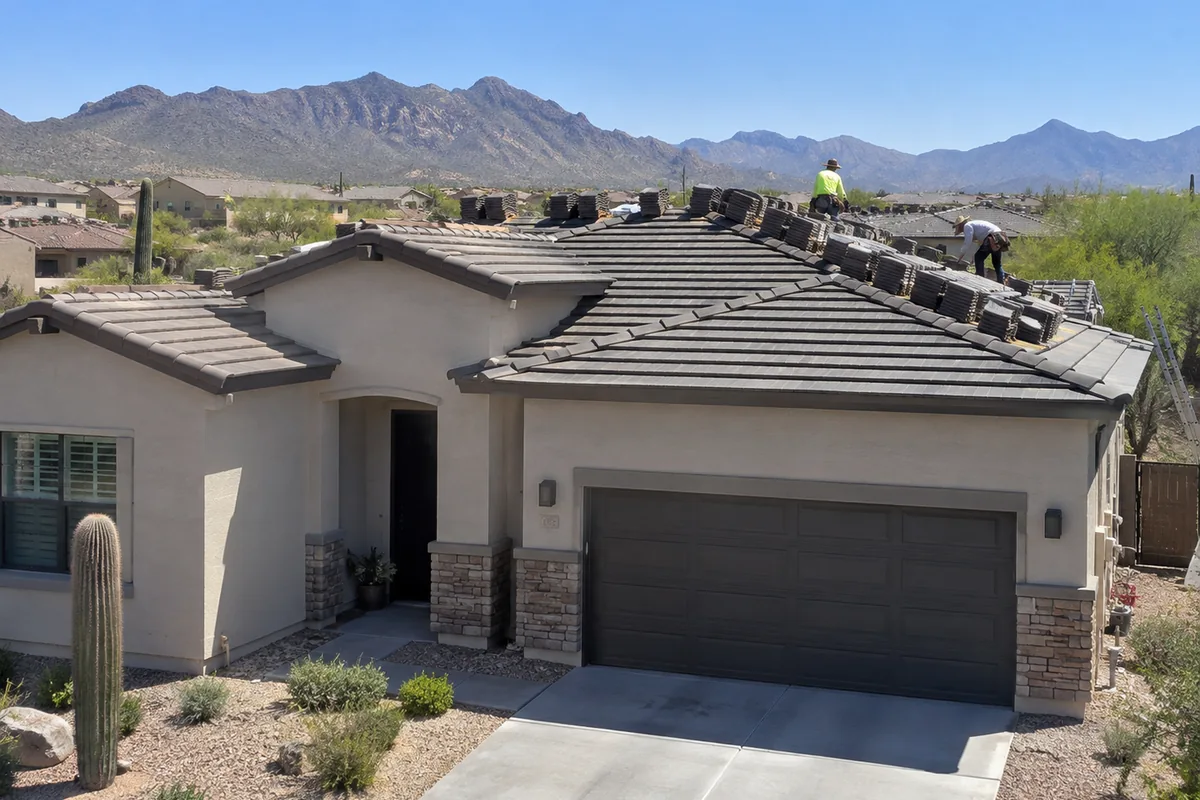
New Roofs
A roofing system designed for your property from the beginning.
A new roof is a major part of a building's protection, appearance and long-term performance. We work with homeowners and builders to plan roofing installations suited to the structure, roof design and selected materials.
Our approach considers the roof layout, underlayment, ventilation where applicable, flashing details and proper installation practices for Arizona conditions.
 02 / 14
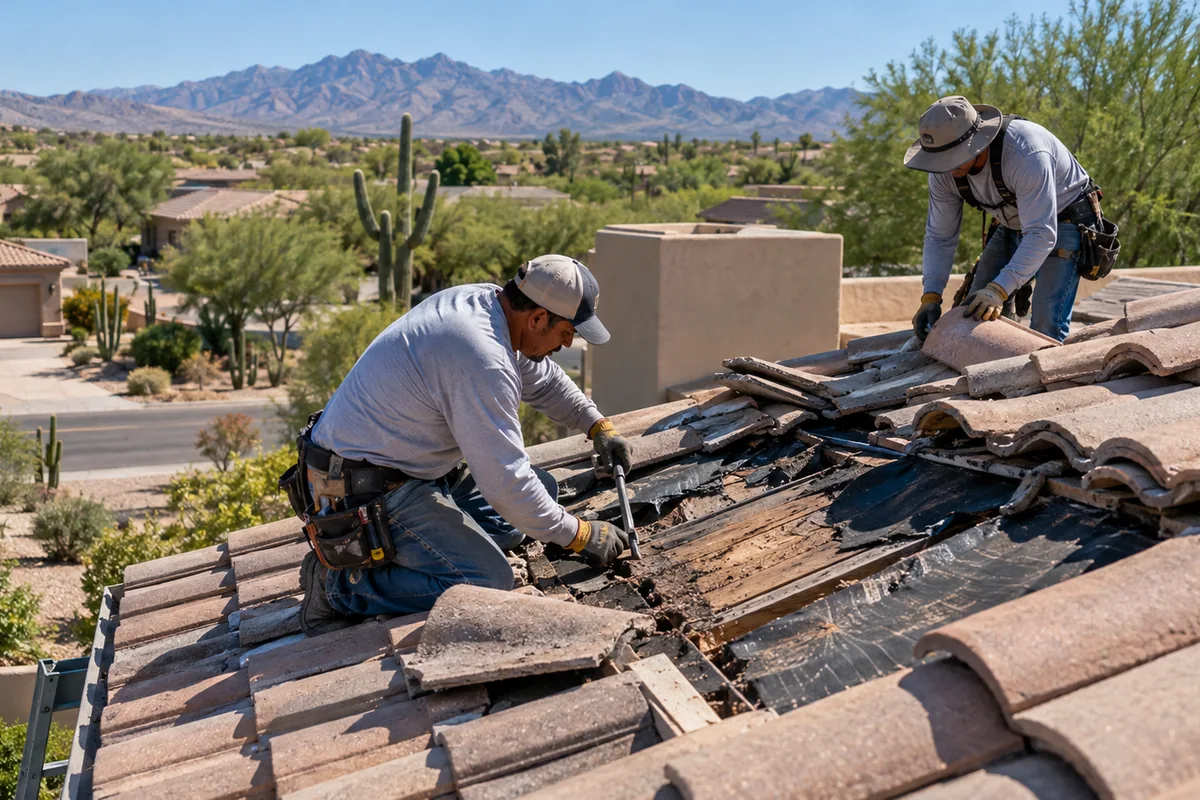
Roof Repairs
Addressing roof damage before it develops into a larger problem.
Leaks, displaced materials, damaged flashing and deterioration around roof penetrations can affect the areas beneath the roof surface.
We evaluate accessible problem areas to determine the appropriate repair approach, with attention to damaged components, water entry points and compatibility with the existing system.
 03 / 14
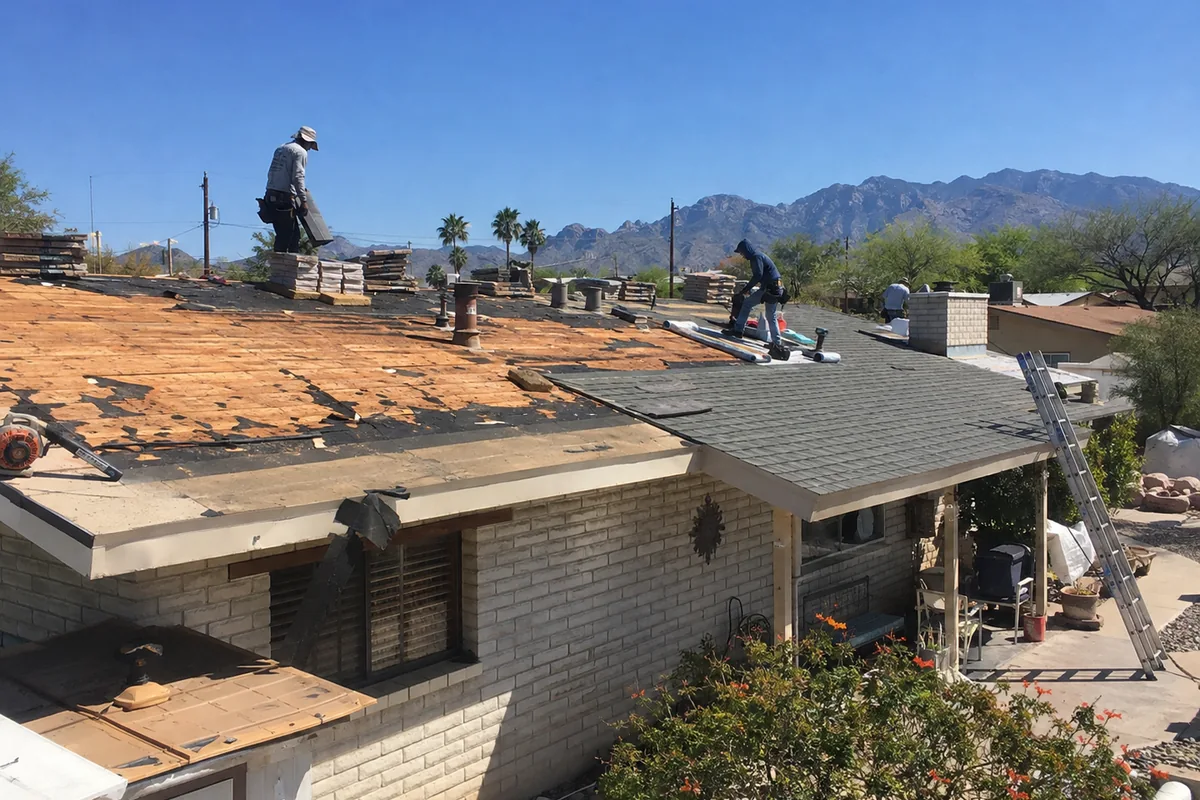
Re-Roofs
Replacing aging roofing systems with a carefully planned installation.
When an existing roof has reached the end of its useful life, reroofing can provide an opportunity to address deteriorated materials and update important roof components.
Depending on the condition and project requirements, work may involve removing old roofing, inspecting the exposed substrate, addressing necessary repairs and installing the replacement system.
 04 / 14
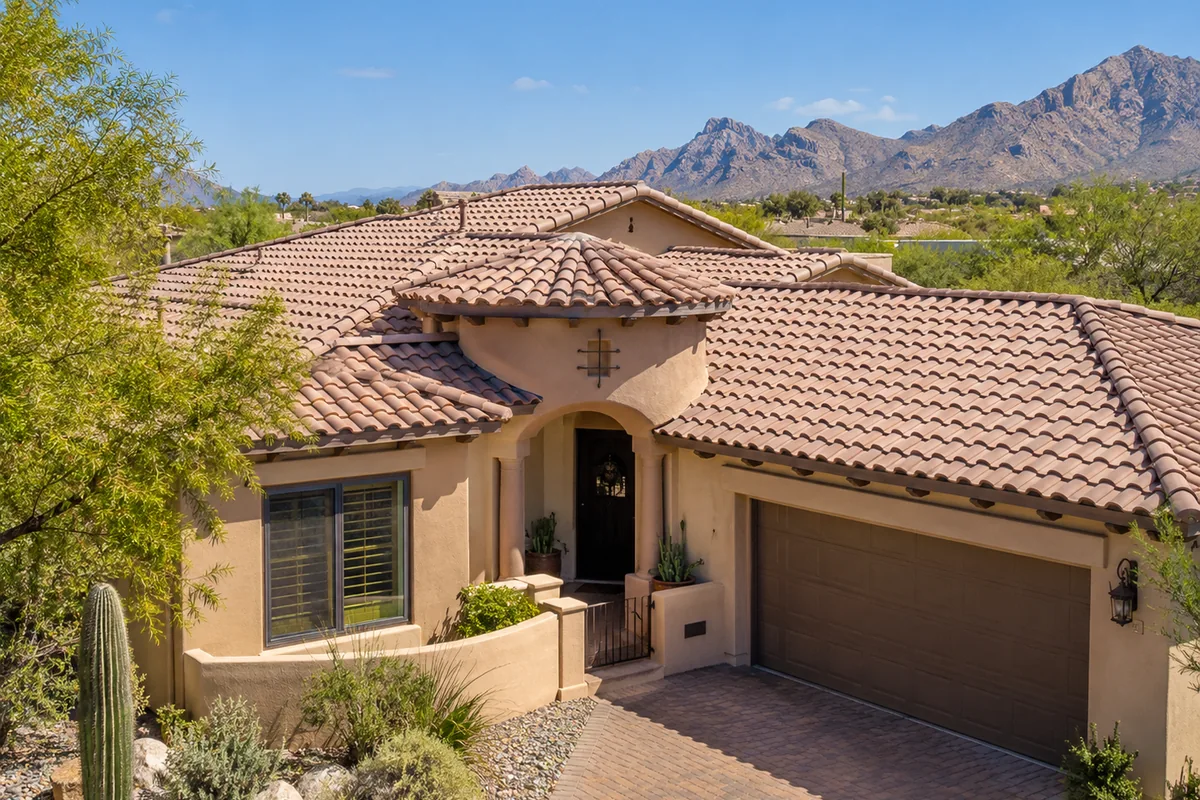
Tile Roofs
Distinctive roofing that complements Southwestern architecture.
Clay and concrete tiles offer a range of profiles, finishes and colors that work particularly well with many Arizona home designs.
Installation requires attention to roof slope, proper underlayment, tile fastening, transitions and ridge details. A well-designed tile assembly combines the visible finish with the protective layers beneath it.
 05 / 14
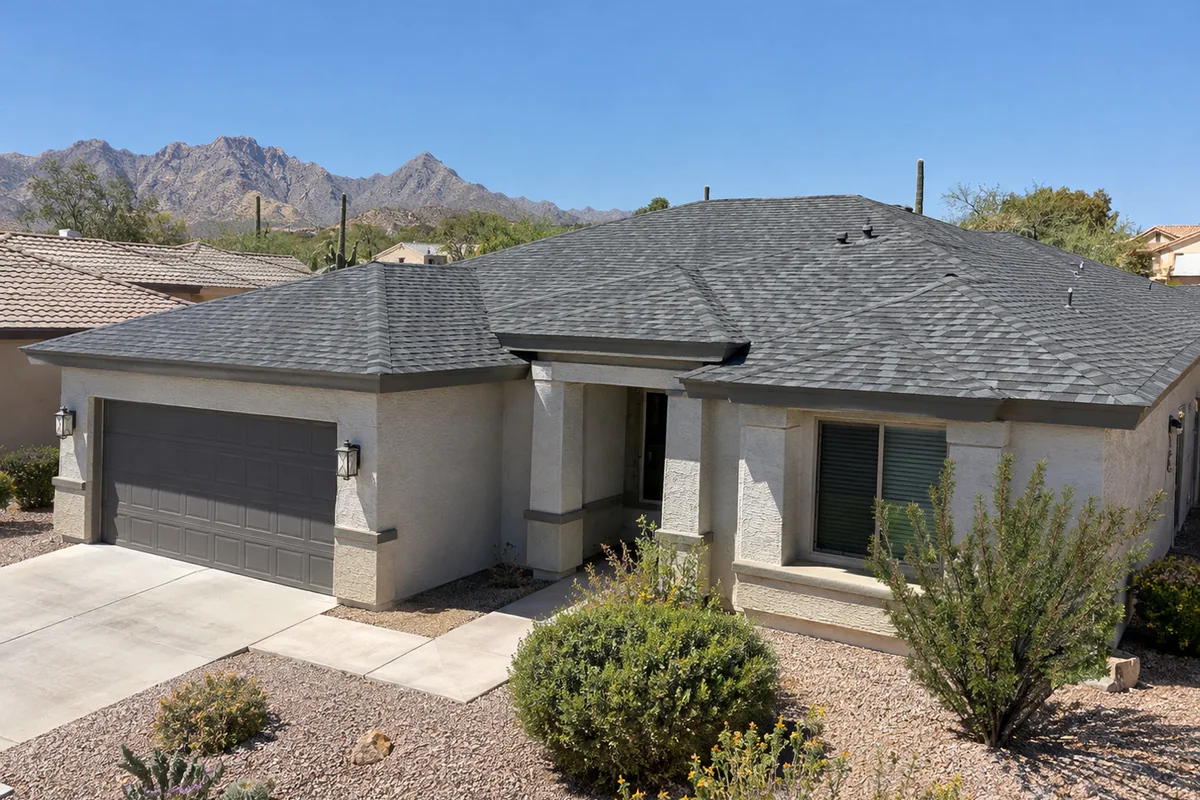
Shingle Roofs
A practical roofing option with versatile colors and architectural styles.
Asphalt shingles are available in different designs and performance classifications, allowing property owners to select an appropriate option for their roof and budget.
The complete installation includes more than shingles alone. Underlayment, flashing, roof edges, ventilation requirements and manufacturer installation specifications all contribute to the finished system.
 06 / 14
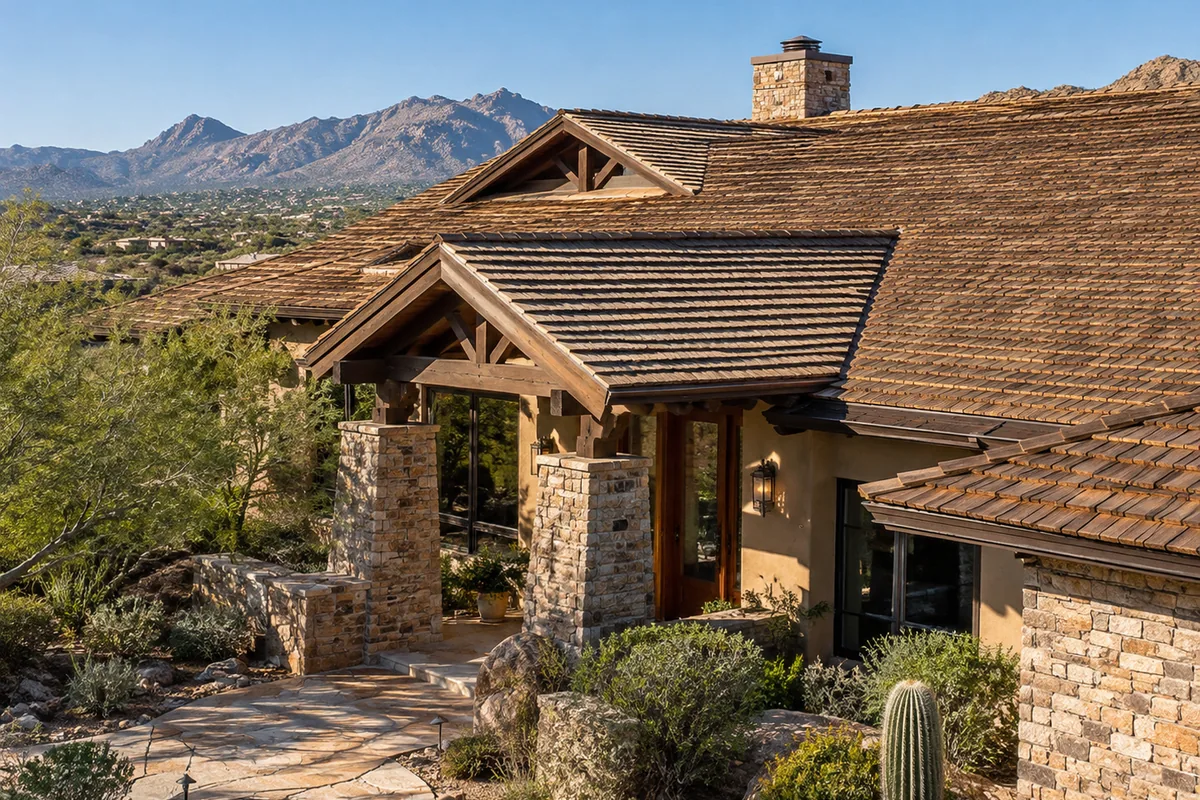
Shake Roofs
Natural wood roofing with a traditional, textured appearance.
Wood shake roofing creates a distinctive architectural finish, especially on properties where natural materials are central to the design.
Shake roofs require careful consideration of local fire requirements, product classification, weather exposure, fastening methods and maintenance. We can review project conditions and suitable material options before proceeding.
 07 / 14
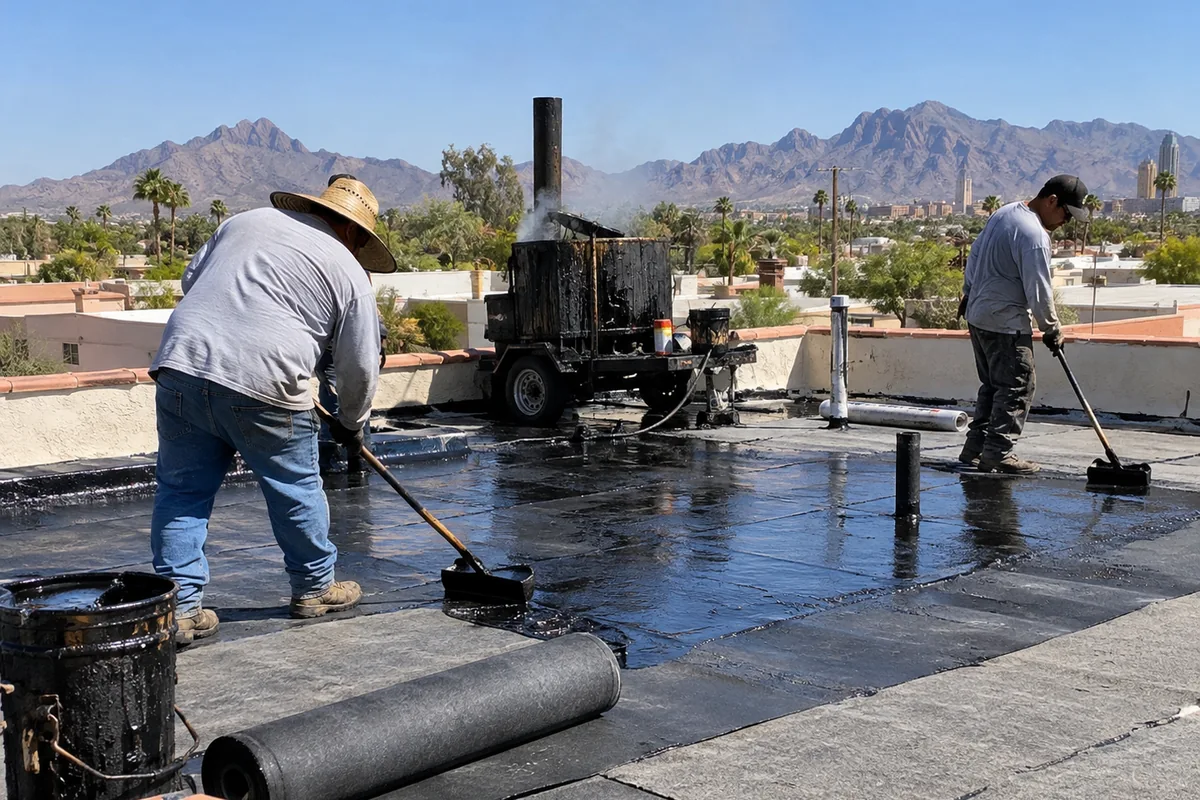
Hot Mop Systems
Built-up roofing assemblies using hot-applied asphalt.
Hot mop systems are a traditional approach to built-up roofing, involving layers of reinforcing materials bonded with heated asphalt.
These systems require appropriate substrate preparation, application temperatures, compatible components and attention to perimeter and penetration details. Project suitability depends on the building configuration and roofing requirements.
 08 / 14
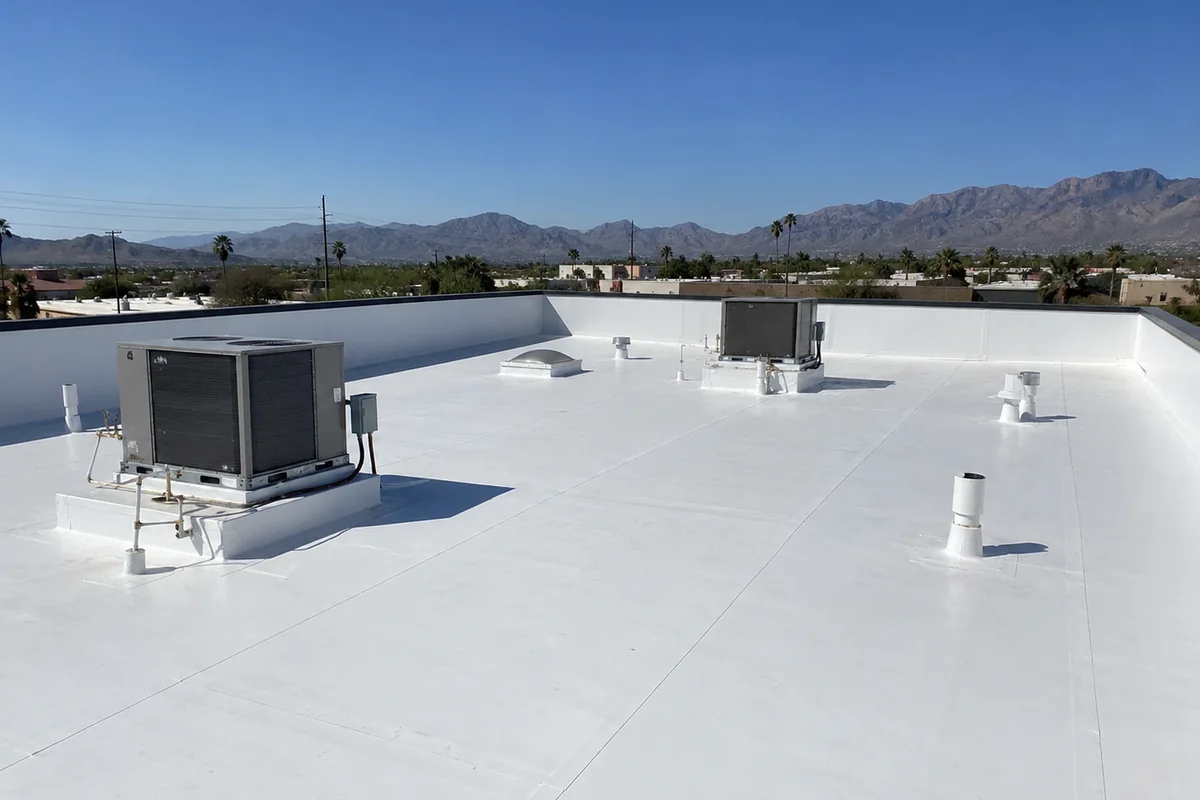
TPO Roofing
A reflective membrane option for commercial and low-slope roofs.
Thermoplastic polyolefin (TPO) roofing uses flexible membrane sheets joined with heat-welded seams to form a continuous roofing assembly.
Its commonly white, reflective surface may help reduce solar heat absorption. Correct installation involves selecting the attachment method, preparing the substrate and detailing seams, penetrations, drains and roof edges.
 09 / 14
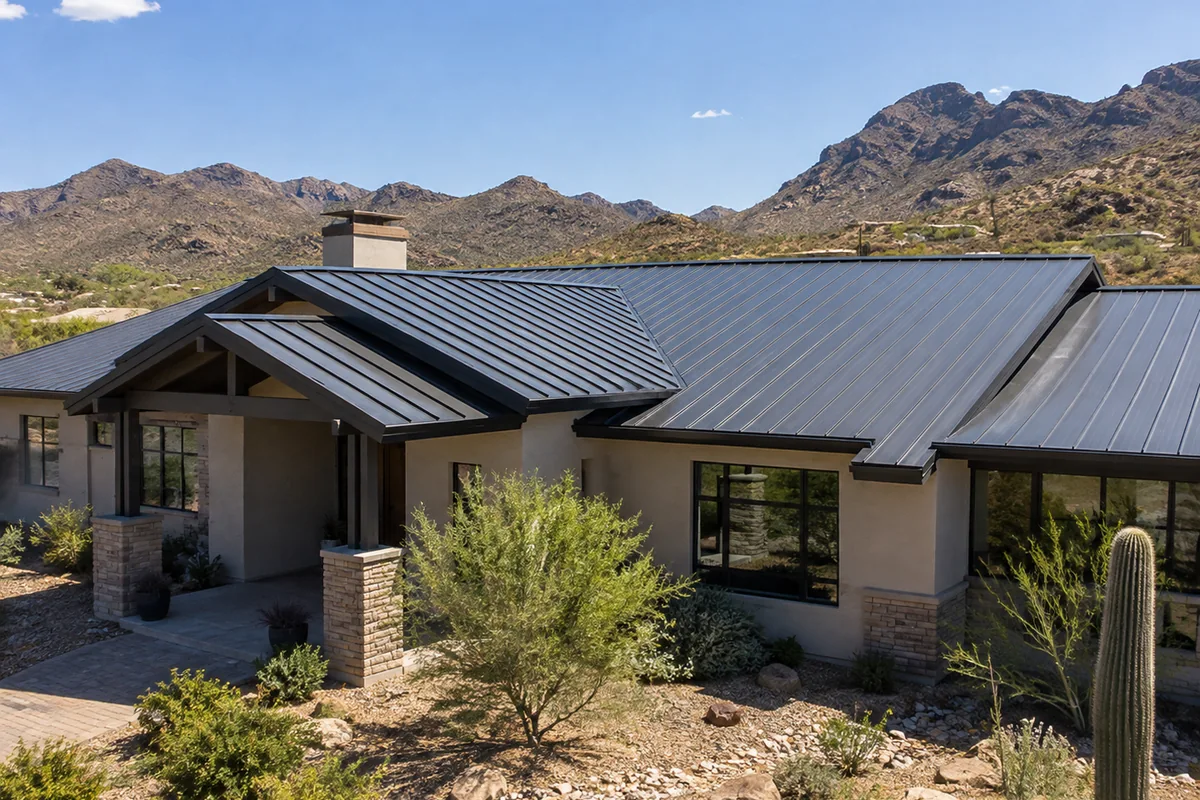
Metal Roofs
Defined rooflines, modern finishes and long-lasting material options.
Metal roof systems include a variety of panel profiles, coatings and fastening configurations for different architectural and structural needs.
Standing-seam and other metal assemblies require precise detailing at panel connections, roof transitions, flashing and penetrations. Allowances for thermal movement are also an important part of system design.
 10 / 14
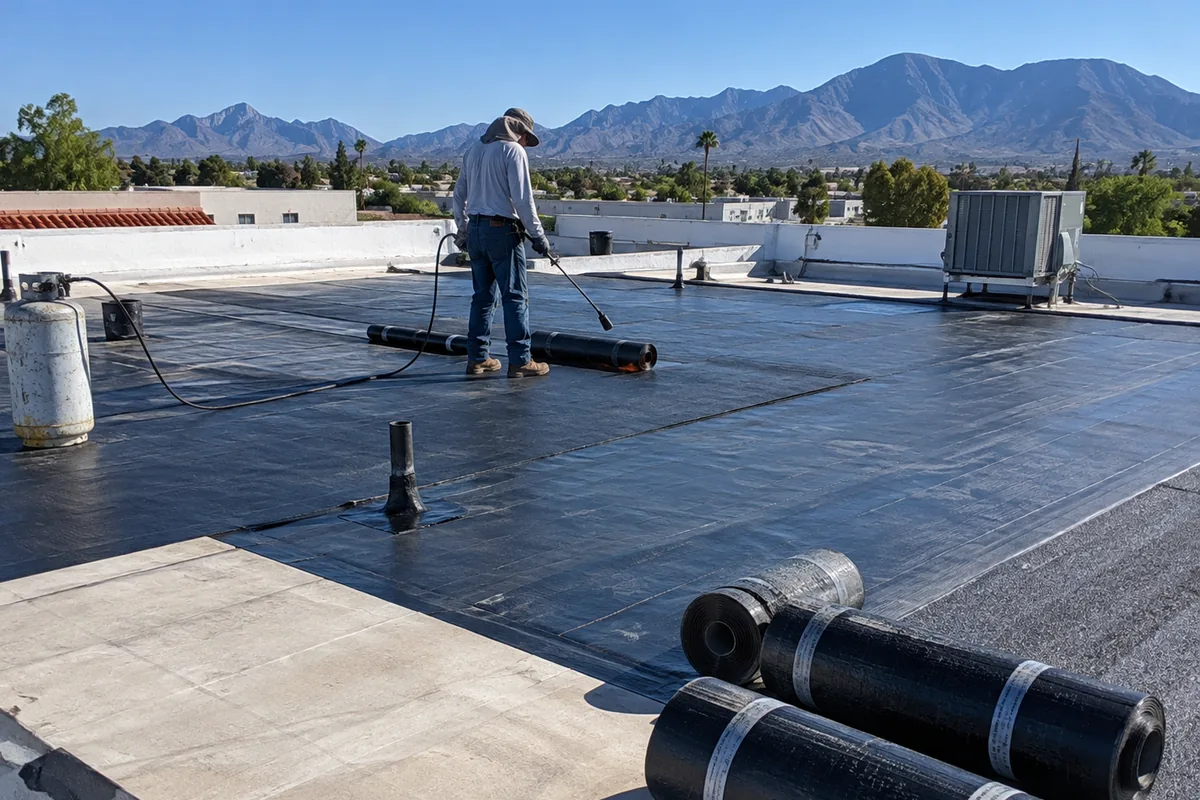
Torch Down
Heat-applied membrane systems for suitable low-slope roofing applications.
Torch-down roofing generally uses modified bitumen membranes bonded through controlled heat application. Properly installed overlaps and transitions are essential to the assembly's water resistance.
Open-flame work requires specific safety procedures, compatible substrates, trained installers and an evaluation of site conditions. Not every building is suitable for this application method.
 11 / 14
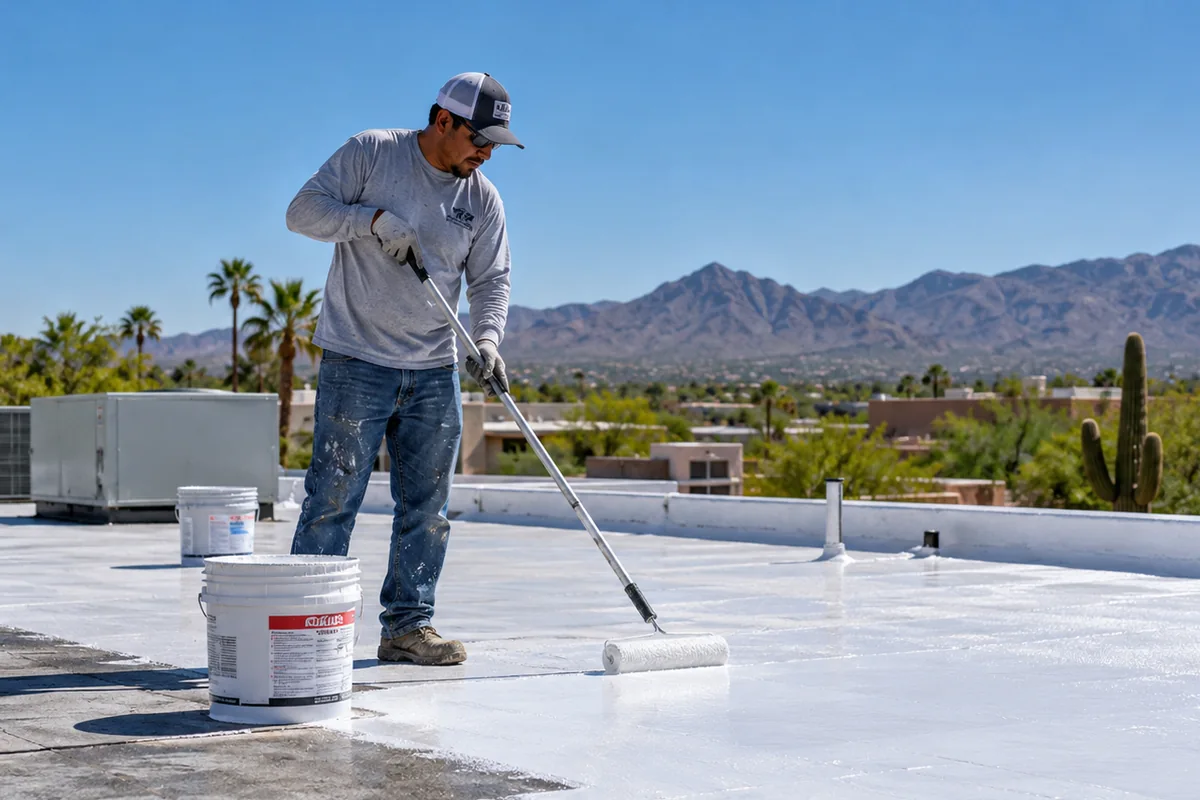
Coating Flat Roofs
Protective coatings for eligible existing flat roof systems.
A roof coating may help protect an existing compatible membrane from weather exposure and ultraviolet radiation without requiring a complete roof replacement.
Before coating, the roof should be evaluated for moisture, adhesion, surface condition and drainage deficiencies. Coatings are not a substitute for correcting underlying damage or persistent ponding problems.
 12 / 14
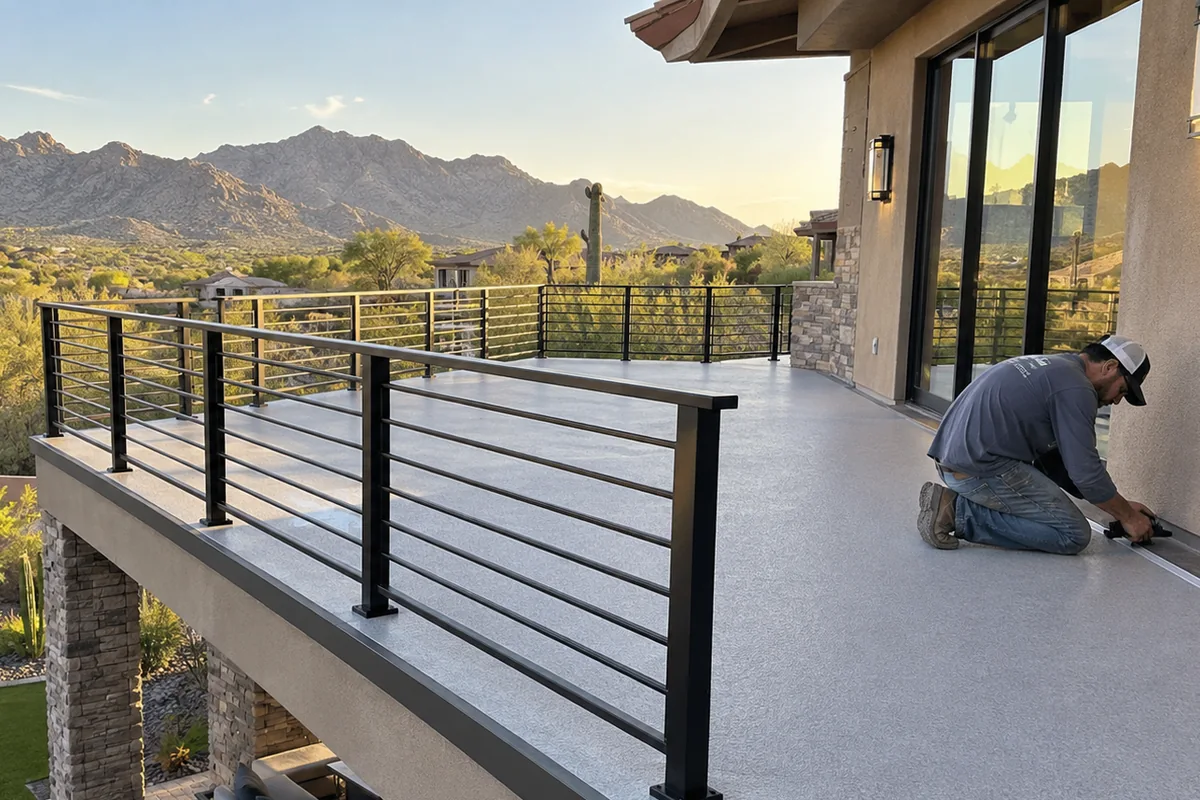
Walking Decks
Outdoor deck surfaces designed for both foot traffic and weather exposure.
Elevated terraces, balconies and walking decks need systems that accommodate regular use while protecting the structure below from water intrusion.
Important considerations include substrate condition, drainage slope, membrane continuity, slip resistance and transitions at walls, doors, railings and other penetrations.
 13 / 14
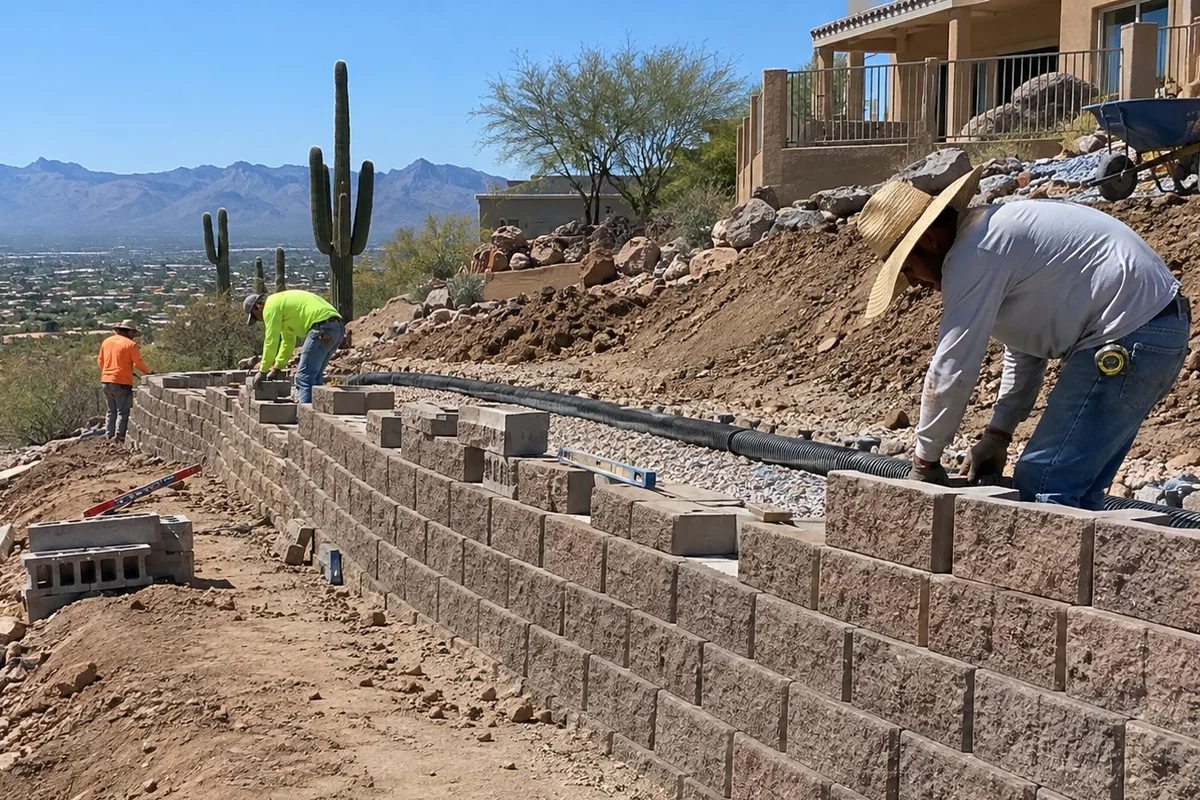
Retaining Walls
Wall systems that support changes in elevation and help manage soil conditions.
Retaining walls can provide support for landscaping, sloped yards and exterior areas where soil needs to be contained.
Wall height, soil pressure, drainage, foundations and applicable engineering requirements determine the appropriate construction method. Structural designs and permits may be required depending on the specific project.
 14 / 14
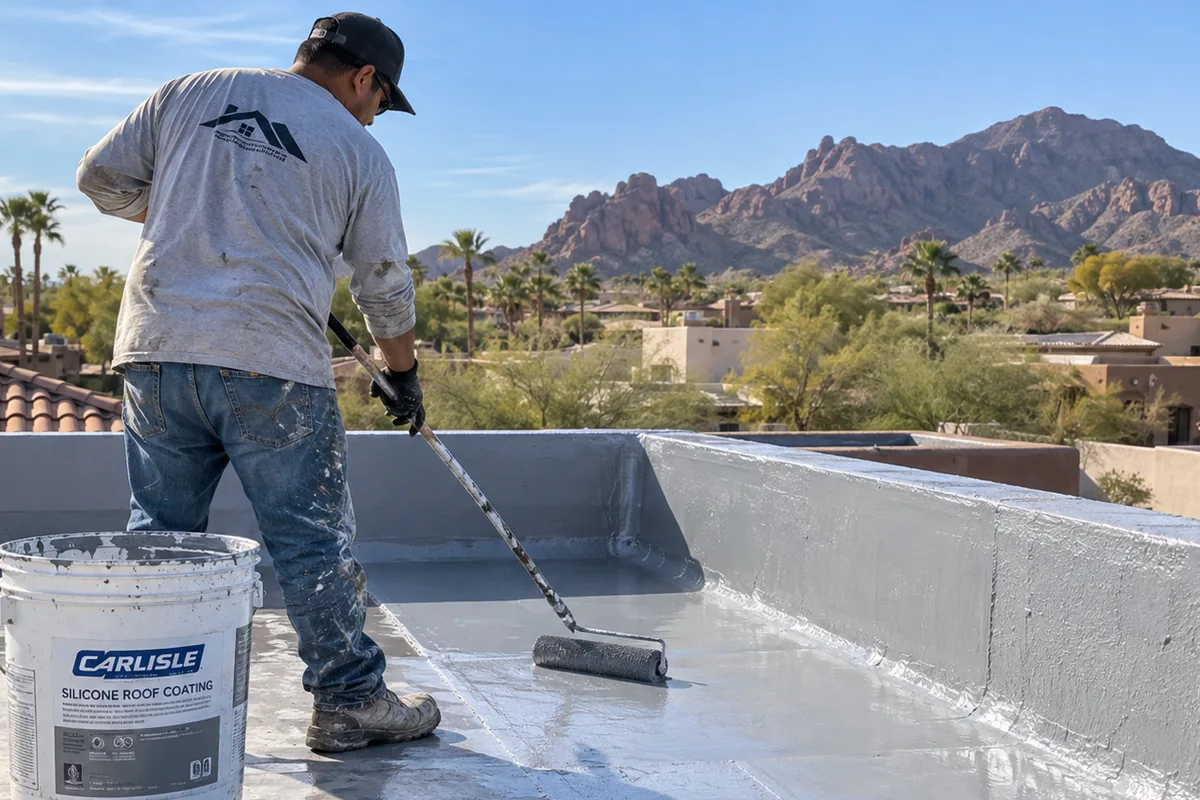
Waterproofing
Targeted protection for exterior surfaces exposed to water.
Waterproofing is important wherever water can enter a building assembly, particularly around vulnerable joints, changes in elevation, penetrations and exposed horizontal surfaces.
Depending on the application, solutions may involve liquid-applied materials, membranes and complementary detailing. System selection should account for substrate compatibility, movement and expected exposure conditions.
Let's Talk About Your Roof.
Tell us what your property needs. We'll help you explore the next step.